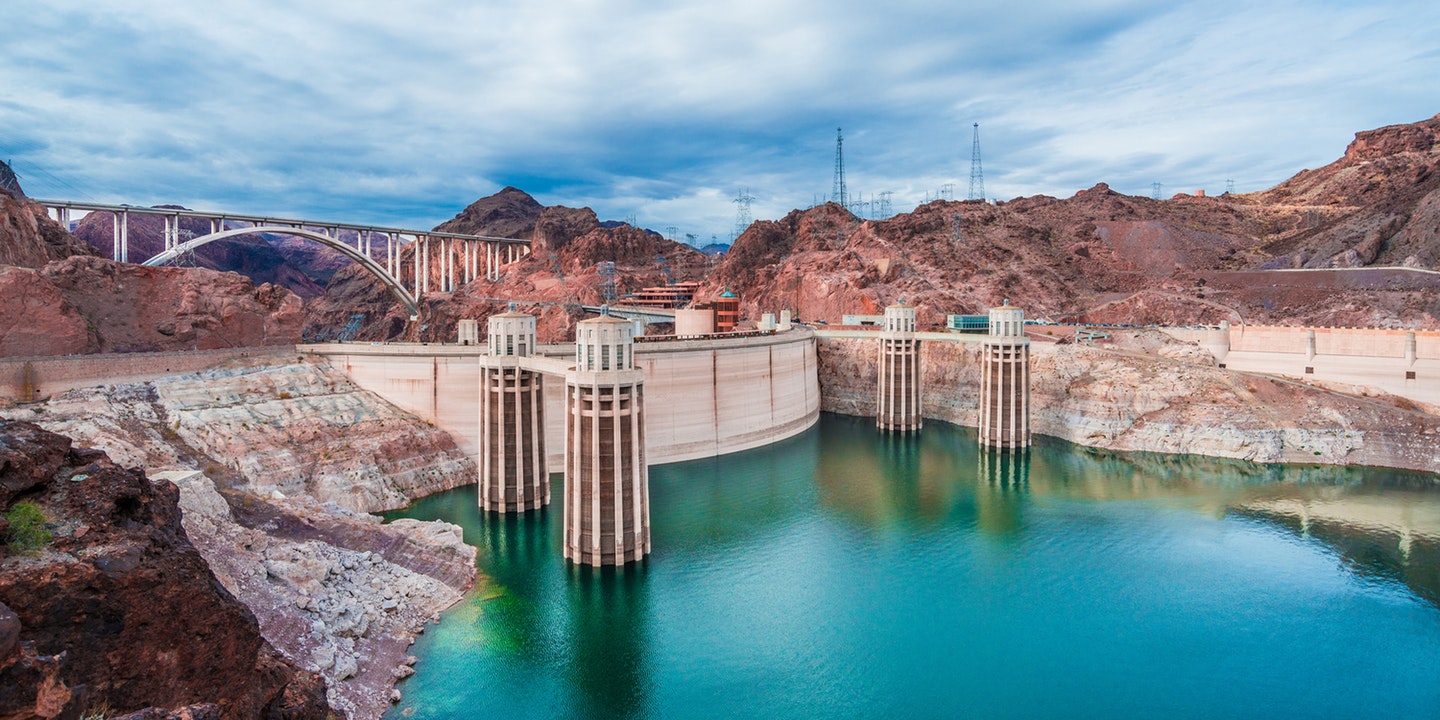
When we think of water pollution and water mismanagement, what comes to mind? Images of Turtles eating plastic bags? Companies dumping chemicals into rivers and lakes? The great Pacific garbage patch? Those are what I imagine most people think of when they hear “water pollution” and I would go even further to say most people wouldn’t think of many real examples of water mismanagement. But what people don’t realize is that water pollution is far more varied than they can imagine, one of the most important sources of water for people is under constant assault from potential contamination. Aquifers are the world’s largest source of freshwater for drinking and irrigation and chemicals and other contaminants seep into these underground sources of water and make them unusable and that fact in combination with our egregious use of aquifers means we are greatly depleting our aquifer reserves.
I would argue that water mismanagement is one of the most imbalanced environmental abuses. Most mismanagement and misuse of water is contributed by first world countries. “We are using available freshwater unsustainably by withdrawing it faster than nature can replace it” (1) and a large portion of our ecological footprint’s impact on water can be contributed from agriculture. We purchase a surplus of food and we do not think about how it is grown and what is used for it to grow. We purchase foods like almonds, avocados, and other products that require a lot of water to grow to suitable sizes and we grow them in areas like the deserts of California. These industries cannot sustainably use water in these areas and make this sacrifice for the sake of the richer and less depleted soil and arable land reserves in these areas. Water is pumped from miles away or from underground sources to water these plants, it takes 1,900 gallons of water to per pound of almonds. This also means that products like almond milk are not much better than standard dairy milks gallon per gallon when trying to lower your ecological footprint’s impact on water. The inequality of water mismanagement is even further unveiled when you stop to think about how so many less developed countries struggle to provide their citizens with clean fresh water. This also relates to last weeks blog post, as much of the drinking water available to these people can cause diseases and potentially pandemics.
Freshwater abuse is even more egregious an offense when you realize that freshwater only makes up around three percent of the available water on the planet. If you really want an extreme perspective, only 0.03% of freshwater is available for human consumption. The majority of our drinking water is pulled from groundwater sources and then the rest is from surface water sources. The main reason that we do not use surface water sources for a larger portion of our drinking water is because it can easily become polluted with chemicals or microorganisms that were carried by runoff water. On the other hand, groundwater, which constitutes fifty percent of freshwater, is normally not polluted with chemicals and tends to have lower levels of microorganisms. However, now you may be thinking, if 50% of freshwater is groundwater and groundwater is our main source of drinking water, how is only 0.03% of freshwater available as drinking water? And the reason for that is because groundwater has a problem that surface water doesn’t have, the majority of groundwater is “hard”. No, hard water is not ice, water’s “hardness” is defined by the mineral content within the water. in particular the level of multivalent cations of Mg2+and Ca2+. Water that is under fifty part per million of these mineral contents make for safe drinking water.
So now we know that in comparison to the majority of water on earth, there is not much available freshwater and even less drinkable fresh water for humanity’s consumption. In theory, “The purpose of a dam-and-reservoir system is to gather and store the surface runoff from a river’s watershed, then release it to control floods as well as to generate electricity” and as of now “Dams have increased the annual reliable runoff available for our uses by nearly 33% and as a result, the world’s reservoirs now hold 3-6 times more freshwater than the total amount of flowing at any moment in all of the world’s natural rivers” (1). However, just like every environmental solution and issue, humanitarian and political issues arise. The construction of dams have “displaced 40 – 80 million people from their homes and impaired some of the important ecosystem services that rivers provide” (1). Rivers are also very important geopolitical factors that can cause conflicts, some rivers start in one country but flow through another, if the country that controls the origin of a river constructs a damn they could potentially divert it from neighboring rival nations. The following video, includes a good description of the factors regarding the Indus river, the Kashmir region, and India’s plans on damming the Indus river that nearly lead to war between India and Pakistan not so long ago, I intended on having the video be time stamped for the sake of convenience but the embedding program that word press uses appears to be faulty and not recognizing the timestamp correctly, please watch the video from 21:18 to 23:55.
Before we move onto ocean pollution and the plethora of issues found in that topic, lets discuss the potential solutions to freshwater issues. Miller suggests that “We can use freshwater more sustainably by reducing water waste, raising water prices, slowing population growth, and protecting aquifers as well as ecosystems that store freshwater” (1). I strongly disagree with this solution, from my perspective freshwater mismanagement and abuse is one of the environmental issues that shows a strong case of financial inequality being responsible for the largest contribution. Raising the price of freshwater would merely keep it out of the hands of the poor and although it would cost the rich more, I doubt the price would raise such an immense amount that the rich would not be able to afford it after subsidies are removed. In fact, I would go as far as to state that the current abuser of water would not only continue to abuse freshwater sources but would likely increase their ability to mismanage freshwater sources as competition for water consumption would decrease as a result of poorer demographics being removed from the consumer-base. However, I do think that a potential method that has been used by some countries, is taxing households the normal price on water consumption, but if their water usage goes above their demographic’s average their tax rate on water will go up. I do believe this would have to be modified to have an impact on corporations but that is not something easily done.
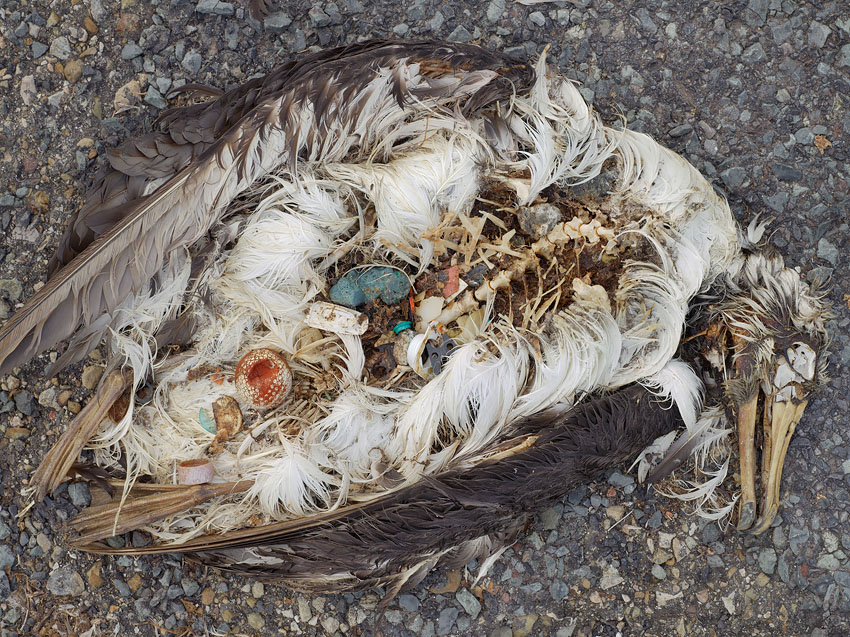
A previous blog post has touched on the topics of ocean pollution already so I do not want to go as in depth as I went on freshwater abuse in this post. Firstly, I want to emphasize just how unprotected our oceans are. In 2019, before the forest fires in Brazil and Australia occured (which isn’t as unnatural as people believed at the time but that’s a discussion for another time), there was an oil spill off the coast of Brazil and as far as I can tell, nobody knows the source of this oil that was blackening brazilian waters and beaches. Whenever I hear about things like this I try my best to look into it and figure out what is going on and I reached out to a number of my Brazilian friends and looked through many online reports on the situation and I could find nothing noting the origin of the spill, it just happened. How is it that an environmental catastrophe that can impact large sections of an entire country’s coast can be so poorly monitored? Because the global society at large has done such a horrid job protecting the oceans. Secondly, the majority of pollution of the Ocean originates from land and of that majority petroleum based products are the greatest contributor. The great garbage patch is largely composed of plastic goods, its plastic bags that sea turtles are mistaking for jellyfish, and it is plastic products that seabirds are mistaking for food and feeding their offspring.
Finally, I would like to reveal my own water footprint. Using the advanced individual calculator provided on the site Waterfootprint.org , my footprint came out to be approximately 957m3and although I do not know whether or not this is high for my demographic, I feel it might be skewed due to a misunderstanding of the questions in regard to owning a pool. It asks how often is your pool drained, which I answered once. However, that pool is drained for approximately 9-10 months of the year and is only filled for 2-3 months. But I do not drain it more than once because when it is drained it is completely drained for the majority of the year. Other than that, I primarily eat vegetables, fruit, and dairy products. I only eat meat twice a week and my other water usage rates do not seem very high to me.
Question: What methods can you suggest for pre-emptive measures to combating corporate and agricultural industry abuse of freshwater sources?
Word Count: 1548
Bibliography:
- Miller, G. Tyler, and Scott E. Spoolman. 2016. Living in the Environment: Nineteenth Edition, 323-568. Canada: Cengage Learning.
- Water Footprint Network. “Personal Water Footprint Calculator.” Accessed April 19, 2020. https://waterfootprint.org/en/resources/interactive-tools/personal-water-footprint-calculator/
- https://www.youtube.com/watch?v=1kJf4krMY4A
- Jordan, Chris. “Midway: Message from the Gyre.” 2009. Midway: Message from the Gyre. Online Collection. http://www.chrisjordan.com/gallery/midway/#CF000313%2018×24
 Environmental Studies and Science