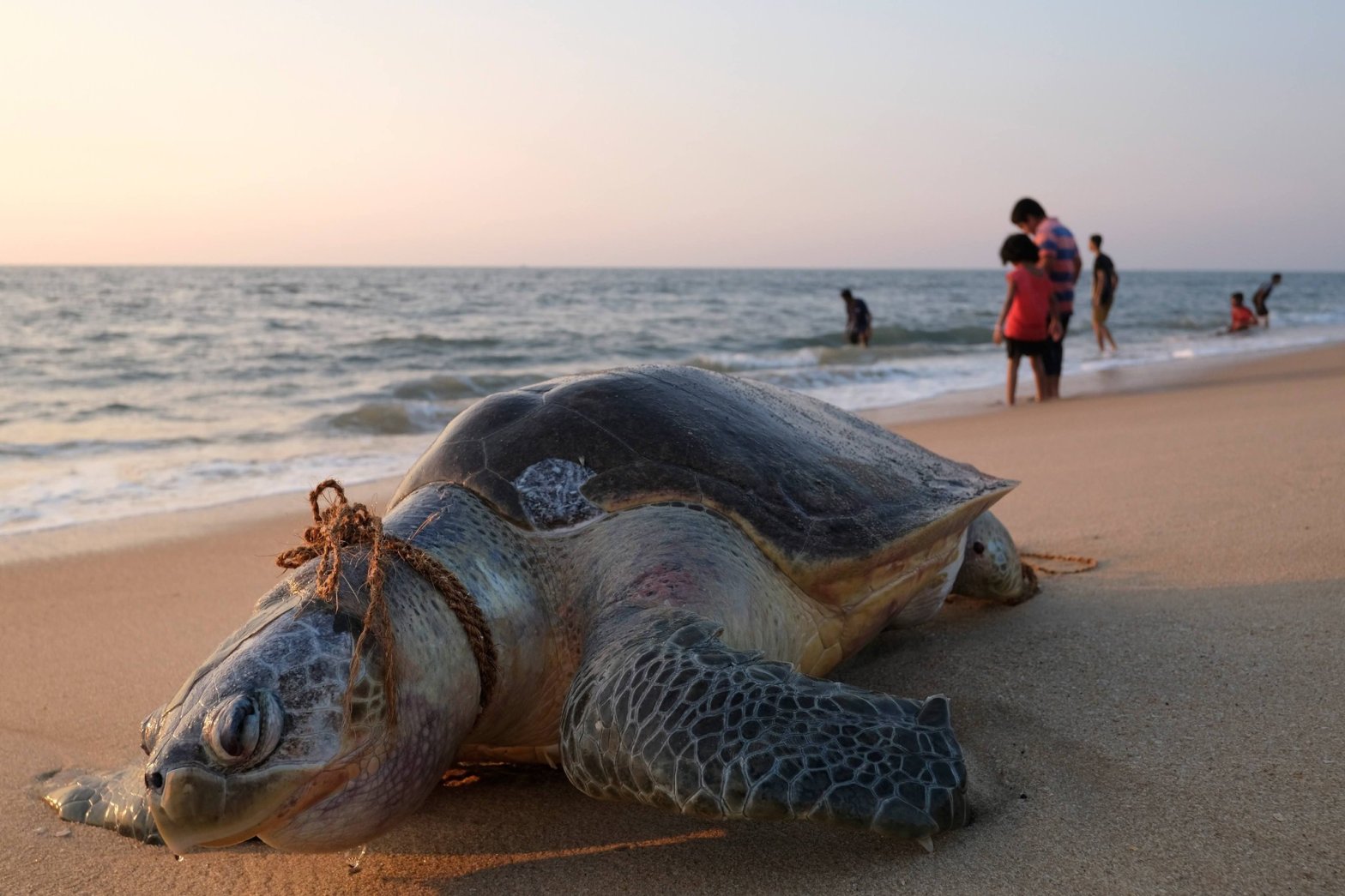
Humans are masters of virtually every ecosystem except for the deep sea trenches that we have yet to break into, however, even that ecosystem feels our impact. The impact of humanity cannot be understated, even prior to industrialization humanity’s societal developments have been catastrophic for much of earth’s biodiversity. It cannot be denied that during human history, as complex human society develops the ecosystems subject to their impacts have reached “critical tipping points that could abruptly and irreversibly change living conditions on earth” (1). One of the major results of us pushing ecosystems so far is extinction. Extinction is the phenomena when a species is believed to no longer exist outside of the world, regional extinction is when a species has been eradicated in a particular area or ecosystem (2), and finally a third kind of extinction is functional extinction where a species can be found in the wild or in captivity but it cannot perform its regular role in the ecosystem. An example of a functionally extinct species is the American chestnut. The American chestnut can be found in the wild as saplings but whenever this tree reaches a juvenile stage it gets infected with chestnut blight and dies shortly after maturing. Although extinction has occured throughout our planet’s history, in the current epoch humanity’s actions have been the main cause of extinction.
When we think of extinction most people probably think about pandas, tigers, or sea turtles. Animals who are listed as endangered and threatened by extinction because of pollution and habitat loss. All in all its still good to think about these species and what we can try to do to save them, but all of these species are threatened primarily by the after-products of colonialism and industrialization. Corporatism and the rapid expansion of human society is the primary cause of post-industrialization extinction. However, prior to industrialization there were still extinction events. The development of matriarchal nomadic tribes led to the beginning of hunting parties allowing humans to bring down large roaming mammals. Many large mammals went extinct due to human hunting such as the woolie mammoth. People need to understand that the loss of biodiversity and specifically extinction of a species is a permanent loss to the ecosystem and even further a permanent loss of resources for humanity.
Biodiversity is loss primarily in two main ways, through species individually and through the loss terrestrial ecosystems. Currently scientists believe that we are in Earth’s 6th mass extinction. Mass extinction events occur when the earth loses fifty to ninety percent of all life on earth, currently we are losing approximately 10,000 species around the world each year (2) justifying the label mass extinction. This number only gets even worse when we realize just how many species we do not know exist and are already impacting. Although we haven’t yet gotten to those deep sea trenches I mentioned earlier ourselves, the repercussions of our actions certainly have. Researchers using deep sea probes have found pollution such as plastic waste in places such as the mariana trench. Our pollution has gotten so out of hand that researchers have discovered entirely new species that already contain microplastics within their bodies (3). There is no doubt that there are species that humanity has affected that we have not even discovered and that means it’s very likely that there were species we never discovered that died off due to our altering of their habitats or other factors.
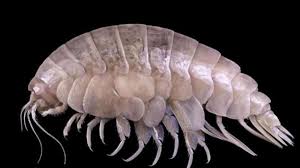
Figure 1: Eurythenes plasticus, the newly discovered species containing microplastics (aptly named plasticus for the discovering it had microplastics in it)
Destruction and fragmentation of habitats is only one way that species become threatened by extinction. An acronym was developed to help categorize and label the different human caused threats of extinction, HIPPCO. HIPPCO stands for:
H– Habitat Destruction, degradation, and Fragmentation
I– Invasive Species
P– Overpopulation and an increase in resource consumption
P- Pollution
C– Climate Change
O– Overexploitation
These different factors have great influence on the species throughout the world. I personally specialize in research on invasive species and in particular invasive reptiles and amphibians. The textbook mentions several examples of the common invasives that tend to get the most publicity. Invasive species such as the Burmese Python in florida or the wild boars becoming invasive in urban areas, but it fails to mention what is the most problematic kingdom of life when it comes to invasive species, fungi. Fungi and insects are probably the two most devastating and catastrophic invasive species when it comes to extinction threatening invasive species. The chestnut blight I mentioned earlier is a fungus, and currently the invasive species that is predicted to wipe out the majority of species of amphibian is a fungus. I would go as far as arguing that besides habitat destruction, invasive species are the second most dangerous threat to biodiversity in our current lifetimes (throughout human history it very likely could have been overexploitation aka overhunting).
The textbook somewhat confusingly to me, states that there is another approach to biodiversity loss and extinction, the ecosystem’s approach. Where this is lost on me, is how it fits pretty well within HIPPCO. The text goes very in depth on the exploitation of two ecosystems, grasslands and forests. Most people have heard of it before, slash and burn, clear cutting, selective cutting, the ways we destroy forests and grasslands for agricultural use or for resource exploitation. All of these play into “the temporary or permanent removal of large expanses of forests (or other native plant life) for agriculture, settlements, or other uses” (2) that the book defines as the cause of the loss of biodiversity through the ecosystem’s approach. We prepare these areas for farming and animal husbandry. I’ve mentioned it in previous blog posts, we are experiencing an arable land crisis. Humanity is running out of dirt suitable for agriculture and currently our only action is to delay the inevitable and cut down forests and grasslands to provide access to arable land. Albeit that our use of ecosystems is a massive problem and have resulted in the loss of many species of plant and animal life that depend on those ecosystems we destroyed to survive, how is this phenomena not related to the habitat destruction, degradation, and fragmentation or the overpopulation and resource consumption or the over exploitation of HIPPCO?
Word Count: 1034
Bibliography:
-Beats, Geo. Global Wildlife Population Declined By 50% In Last 40 Years – Video Dailymotion. Dailymotion, Dailymotion, 30 Sept. 2014, http://www.dailymotion.com/video/x26ybub.
-Miller, G. Tyler, and Scott Spoolman. Living in the Environment. Boston, MA: National Geographic Learning/Cengage Learning, 2018, 680-695.
–https://www.forbes.com/sites/davidbressan/2020/03/05/newly-discovered-deep-sea-creature-named-after-plastic-found-in-its-guts/#383f1b9a6124
 Environmental Studies and Science