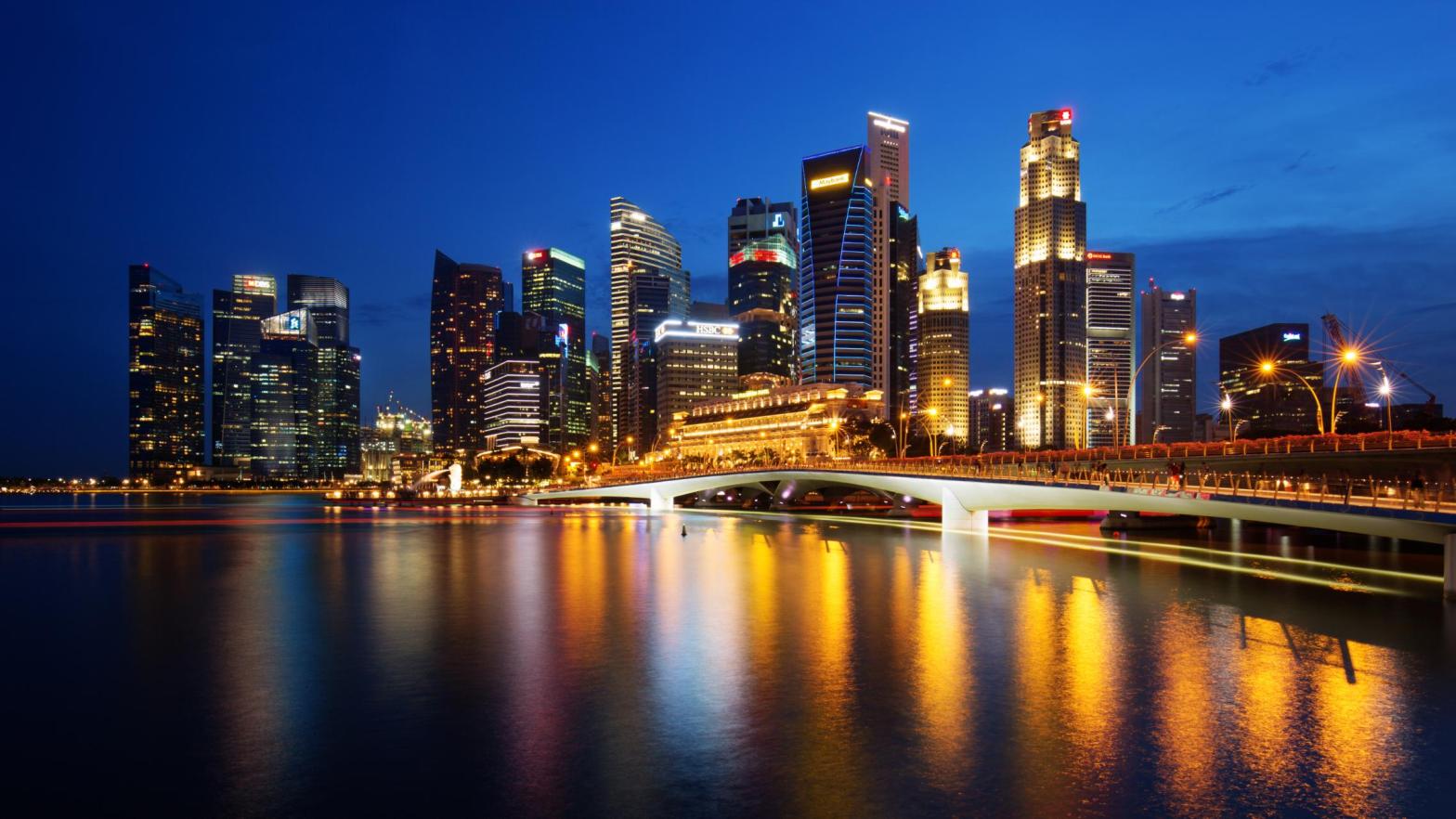
Humanity and its coexistence with the global ecosystem have become strenuous since the colonial era. Since then, we have seen the introduction of invasive species, the exploitation of resources, the industrial revolution, and its increase in pollution, and this list can go on and on. However, all these issues can be traced back to one major factor. A factor which is the most significant cause of stress to the global ecosystem, a factor that has no ethically moral answer, a factor that brings into question the biological purpose of life and evolution itself. Population growth.
After the beginning of the colonial period and the advent of the industrial revolution, humanity saw a stark increase in population growth. New technological advances and ideological advances saw a significant increase in quality of life and thus led to longer life spans and lower infant mortality rates. These factors led to a substantial increase in population growth. Fortunately, during the 20th century, the growth rate has declined, but humanity’s population size has still increased (1). This decline was due to many of the first world countries, seeing another increase in quality of life, which in turn lead to lower birth rates. However, this change was not uniform for the entire planet, and many second and third world nations still have a rapidly growing population. Only approximately “2% of the 88 million new arrivals on the planet in 2015 were added to the world’s more developed countries. The other 98% were added to the world’s less-developed countries”(2). The people in many of these countries still have environmental pressures to have multiple children to improve their chances of moving up in life. The issue is that there are currently 7.6 billion people alive on earth(4). If our population continues to grow, scientific data suggests that we would not be able to sustain the resources necessary to maintain our population without having severe adverse effects on the global ecosystem.
Colonialism and the Sphere of Influence period drastically reduced the resources that are now available for the developing countries of our time. Currently, as these nations develop, they’re experiencing internal migrations from rural areas to urban cities. This trend is putting a considerable strain on their already depleted resources, leading to many developing nations not following what we consider the greenest development policies. Many of these nations have forgone ecological thinking and instead followed development and industrialization policies that prioritize efficiency and higher employment rates instead. Currently, much of our environmental focus and policy is on reducing the ecological footprint of the first world. I do not want to imply that I think we should stop pursuing that focus. Still, we must develop greener and more effective industrialization and development policies and processes to entice the developing world into becoming greener.
Currently, 53% of people in developing nations and 81% of Americans live in cities, and this number will only rise as time goes on. But there are some benefits to this demographic shift; this will put a larger amount of the population in better-developed recycling infrastructure and allow previously occupied and destroyed rural ecosystems to recover. Not to mention, there are other benefits as well. Cities provide greater economic opportunity and better education. Having access to these two resources could lead to them having a higher environmental awareness and the financial funds to act on that heightened awareness.
Cities around the world only emphasize the importance of finding a greener solution. Cities “consume about 75% of the resources that we use and produce, and about 75% of the world’s pollution and wastes”(4). These urban centers are not always the economic safe havens we romanticize them to be, and many developing nations see a stark increase in poverty and end up with slums and shantytowns(5). These impoverished sectors of cities can be the cause of a lot of pollution and habitat destruction. However, even the developed parts of the city create pollution. Noise and light pollution are two common types of pollution, along with the mass amount of littering and runoff water that we stereo-typically think of when we think of city pollution(6). Finally, cities can be a severe health risk to their inhabitants and the ecosystems around them. Raccoons have been recorded to live up to 20 years in the wild. However, raccoons that primarily live in the city and eat from city dumpsters and garbage bins are reported to only live for 2-3 years.
Just looking at the world population clock really shows the issue. As of today the population has grown by one hundred sixty thousand plus, and there are still another 6 hours to go by the time I have written this sentence. Most of these new lives will be born in Urban centers and will likely continue the environmental trends that have already been established there.
Now there have been controversial solutions to the first world part of this issue. The steady state economy has been on the forefront of this issue as a solution since around the 1970s. The steady state economy essentially functions as purposefully adjusting your economy in respect to your population to input natural resources and recycling the output to support your community rather than constantly consuming new resources. A diagram depicting this cycle can be seen below (7):

The purpose of the steady state economy is to reduce the stress that first world societies induce on the global ecosystem. However, opponents of this system argue that “resource decoupling, technological development, and the unrestrained operation of market mechanisms” will overcome resource scarcity, pollution, and the population overshoot (8). Its key to notice here that these three methods provide solutions to everything except extortion of ecosystems. However, I do agree with one of their methods. Technological development could unveil the key to providing developing nations greener methods towards industrializing and unlocking even greener methods of managing our society. I believe the steady state economy should allow new resource inputs for technological and research development purposes.
However, the topic has been on people’s minds. A movement called Degrowth has gained popularity among people. The movement is based on “political, economic, and social movement based on ecological economics, anti-consumerist and anti-capitalist ideas” (9). Degrowth activists advocate for the down-scaling of production and consumption. They argue that over-consumption is the cause of long term environmental issues and social inequalities (10). It is important to understand that the degrowth movement’s reduction of consumption does not require a decrease in well-being (11). The core of degrowth is to minimize first world societies’ resource consumption and to force companies to pursue greener policies through ideologically active shopping and consumption.
Question: How can we learn from a developing nation such as Costa Rica that has such a low ecological footprint to create green policies for other developing nations to follow?
Word Count: 1136
Bibliography
1- Miller, George Tyler, and Scott E. Spoolman. Living in the Environment. 19th ed.
2- Miller, George Tyler, and Scott E. Spoolman. Living in the Environment. 19th ed.
3- Miller, George Tyler, and Scott E. Spoolman. Living in the Environment. 19th ed.
4- Miller, George Tyler, and Scott E. Spoolman. Living in the Environment. 19th ed.
5- Miller, George Tyler, and Scott E. Spoolman. Living in the Environment. 19th ed.
6- Miller, George Tyler, and Scott E. Spoolman. Living in the Environment. 19th ed.
7- https://en.wikipedia.org/wiki/Steady-state_economy
8- https://en.wikipedia.org/wiki/Steady-state_economy
9- https://en.wikipedia.org/wiki/Degrowth
 Environmental Studies and Science